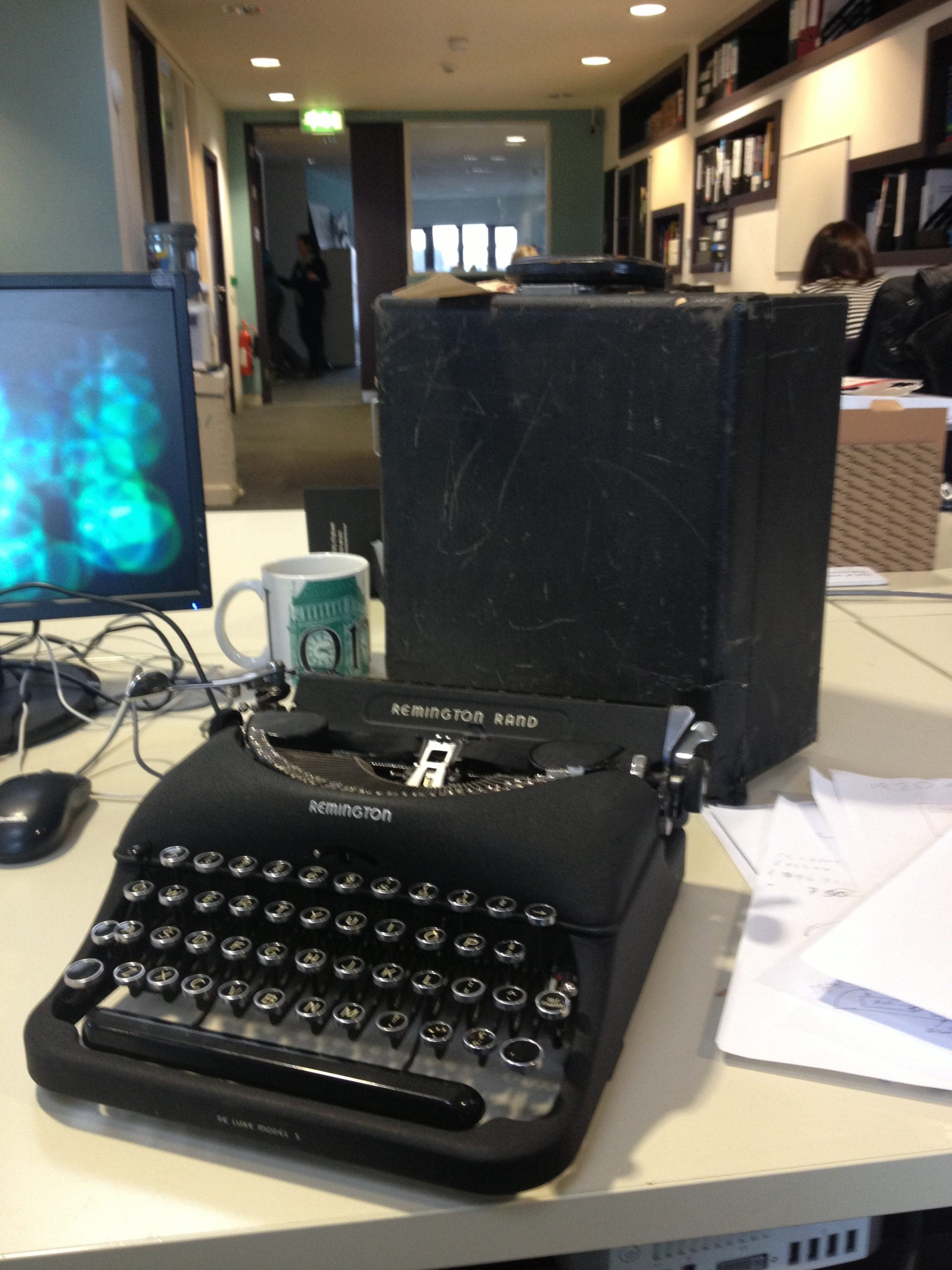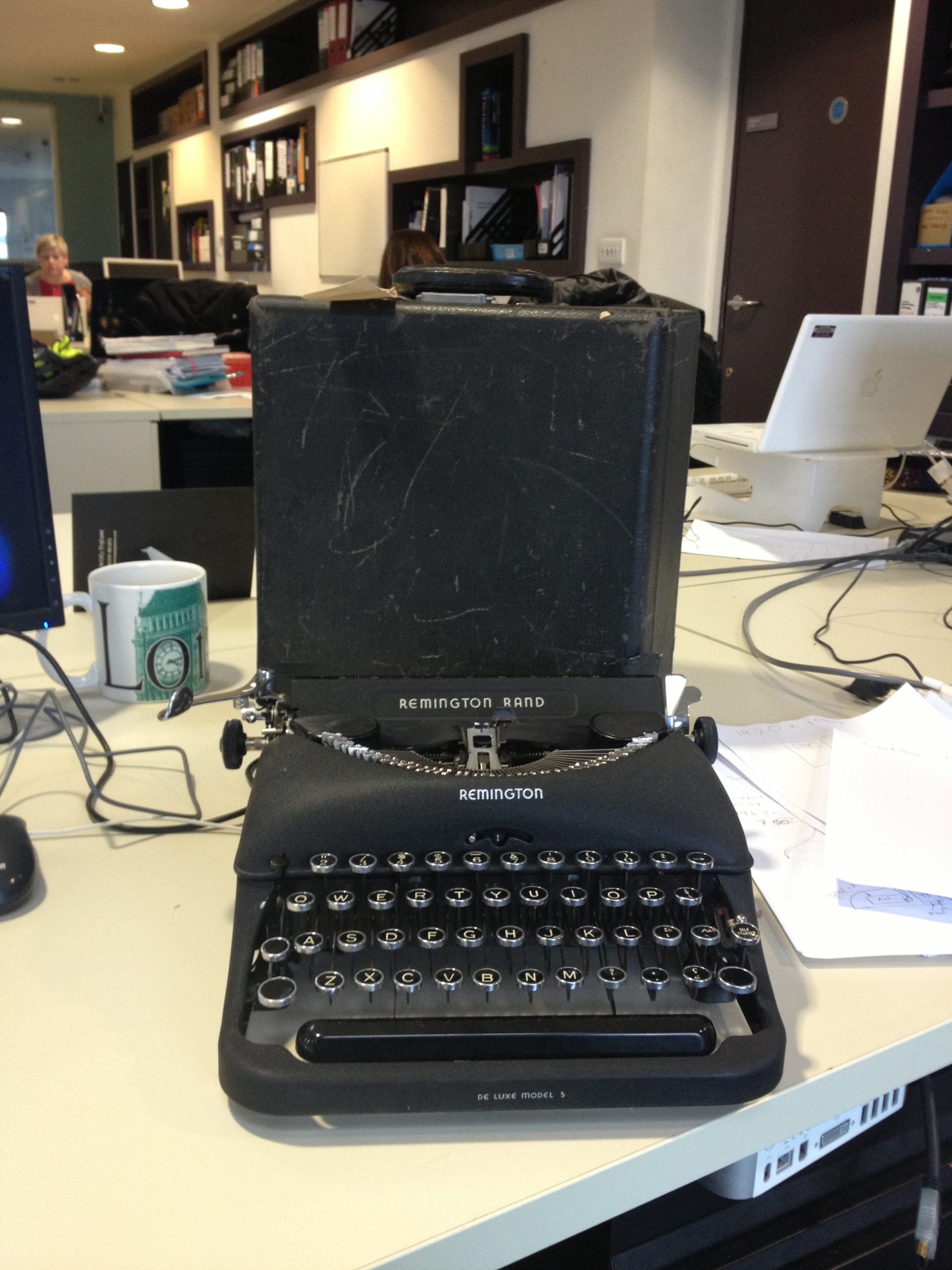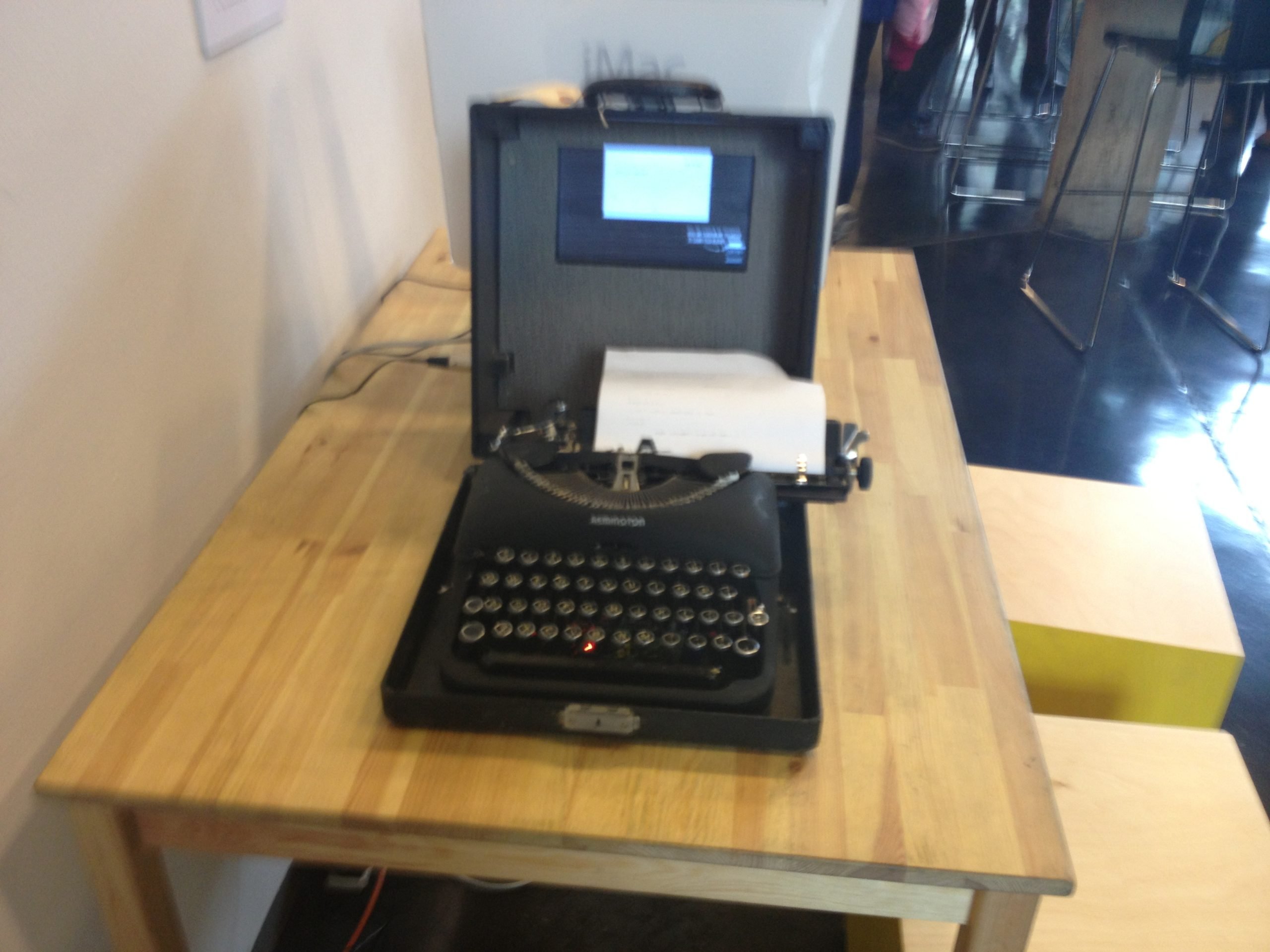
The FACT Tweeting Typewriter was an art installation, that allowed members of the public to type short (original 140-character tweets) and send them onto Twitter for the world to see.
FACT Technical created the typewriter for the Collaborations programme, this hacked hardware was inspired by our long-standing older peoples’ digital storytelling projects. For the 10th anniversary celebrations, it needed to be updated so that could wish FACT a #HackyBirthday.
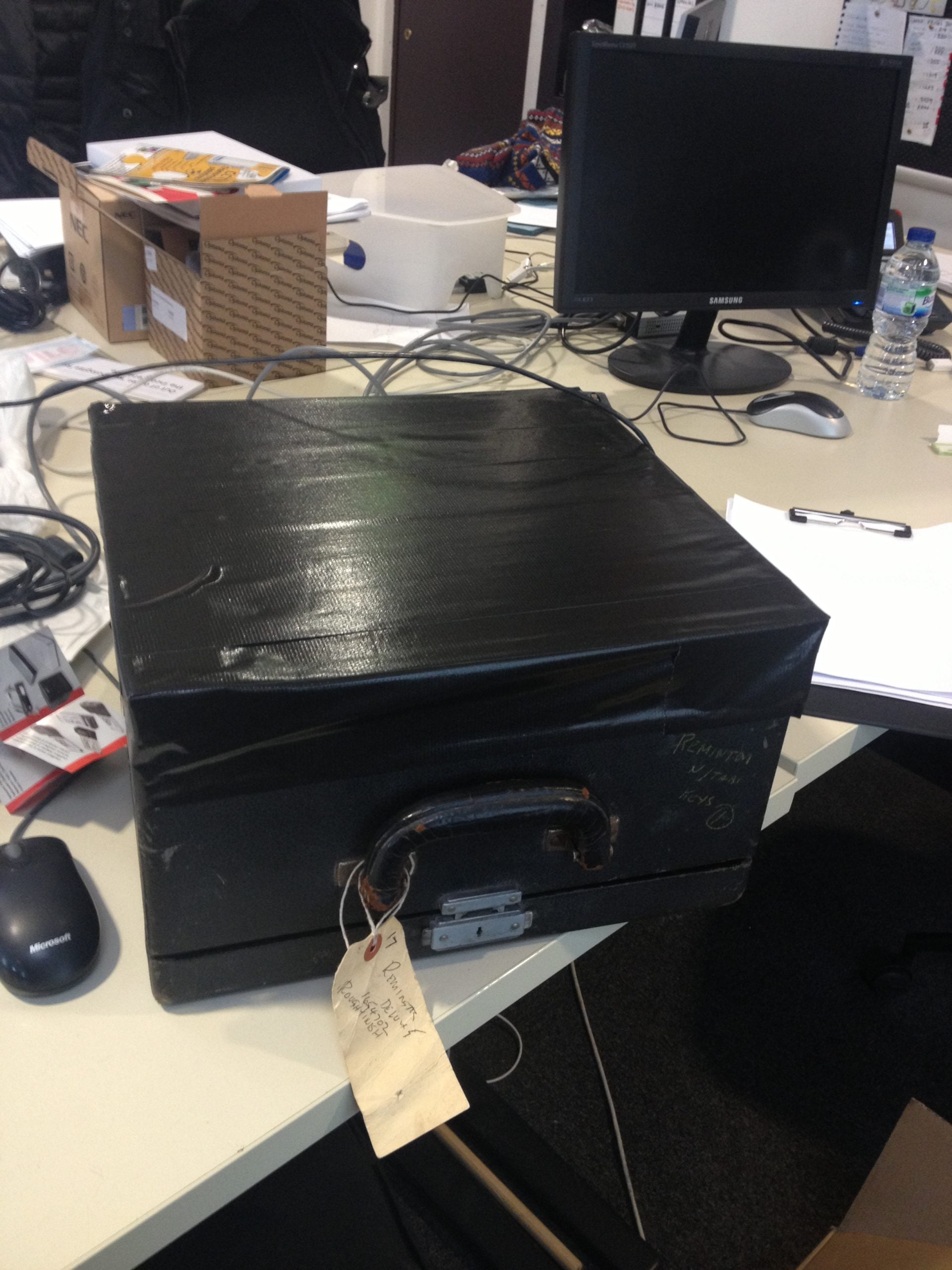
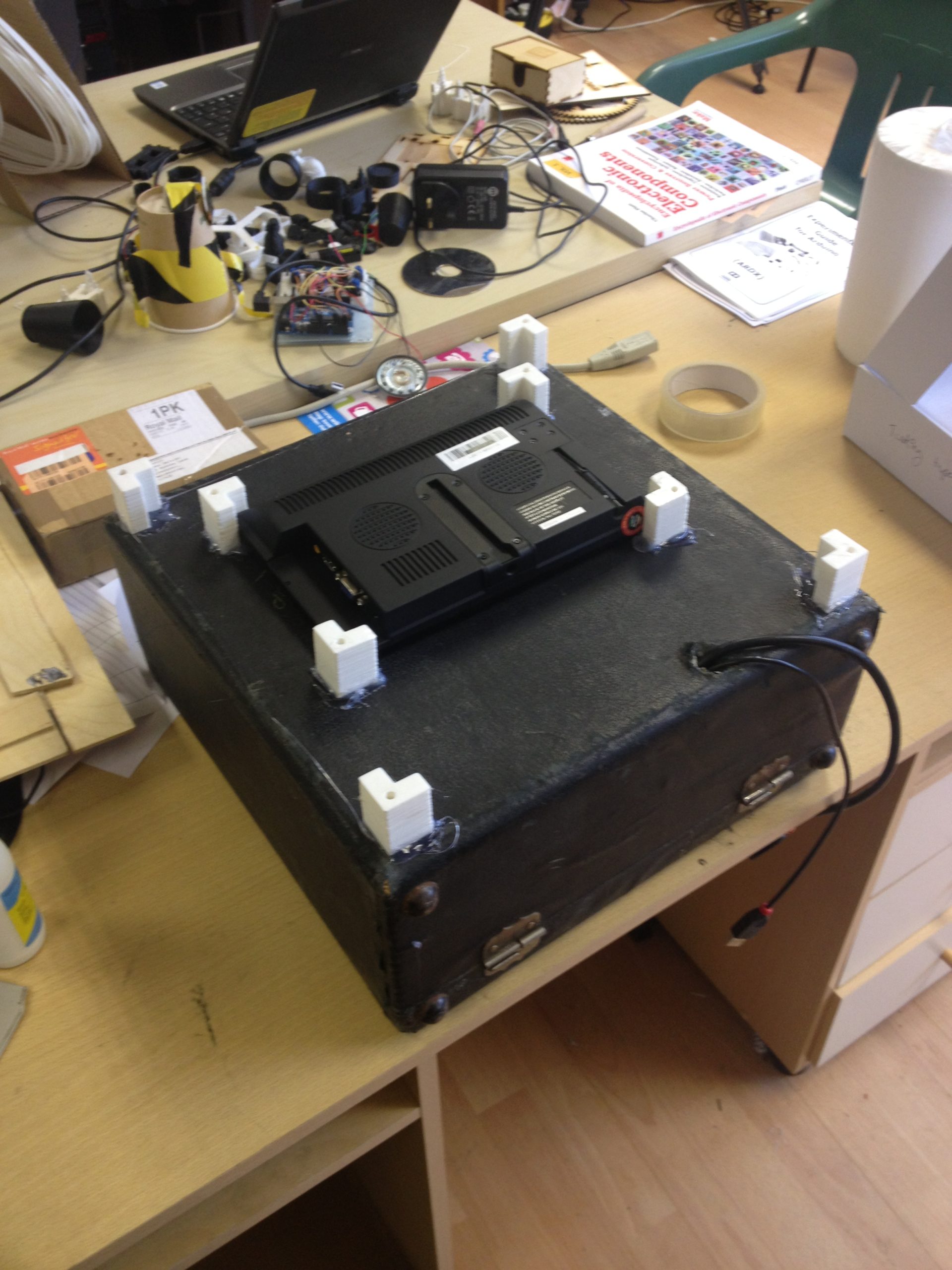
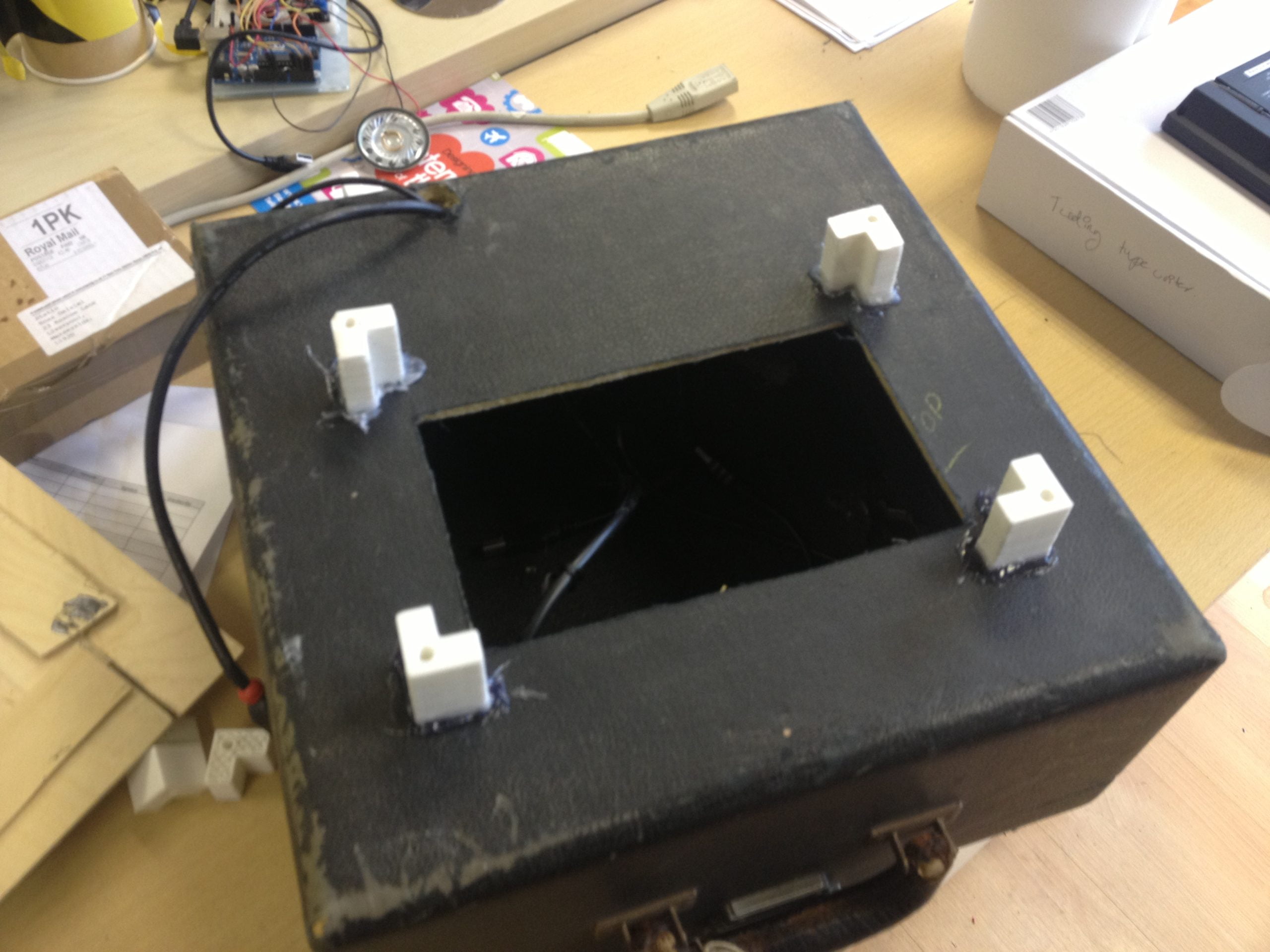
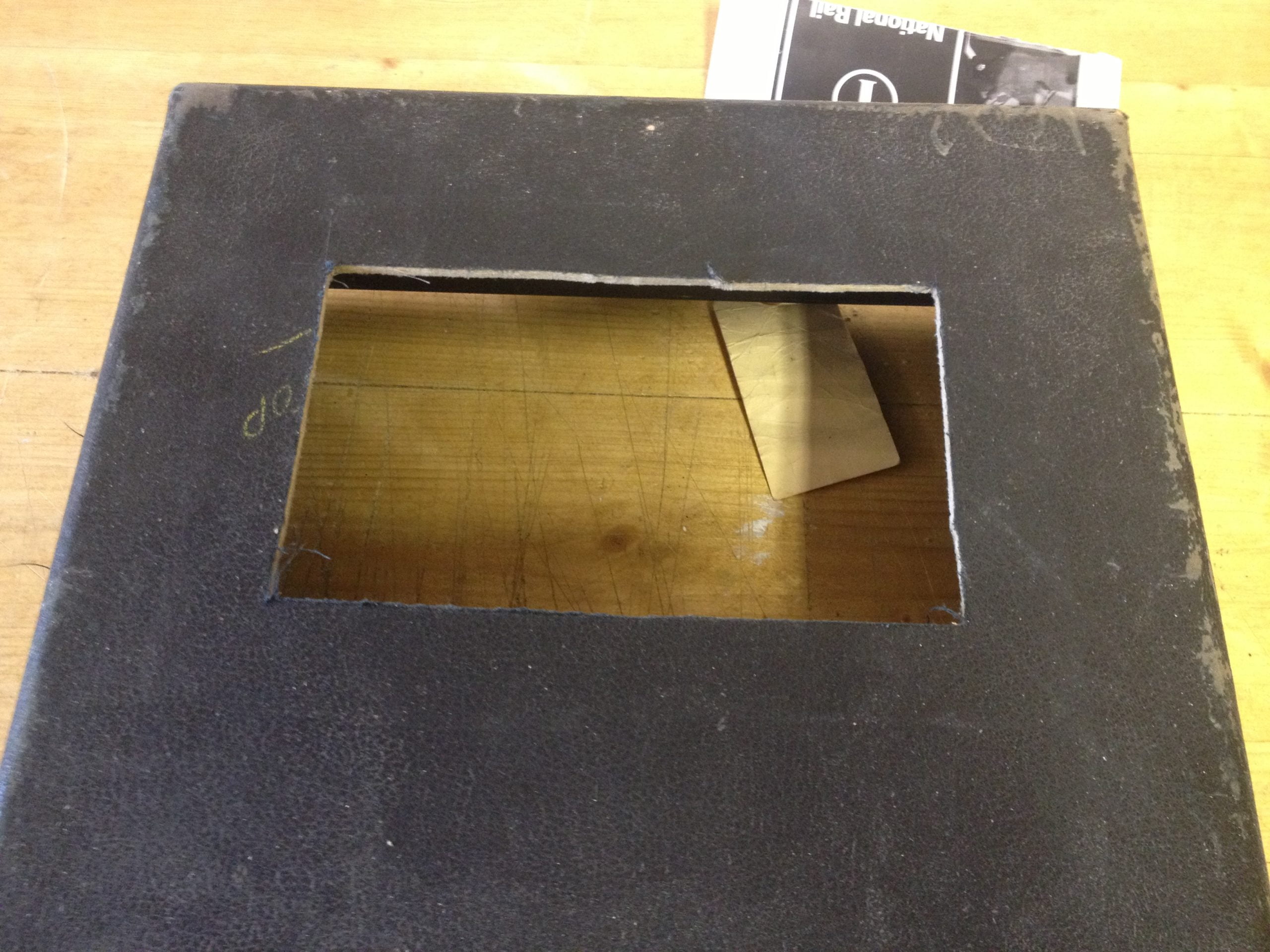
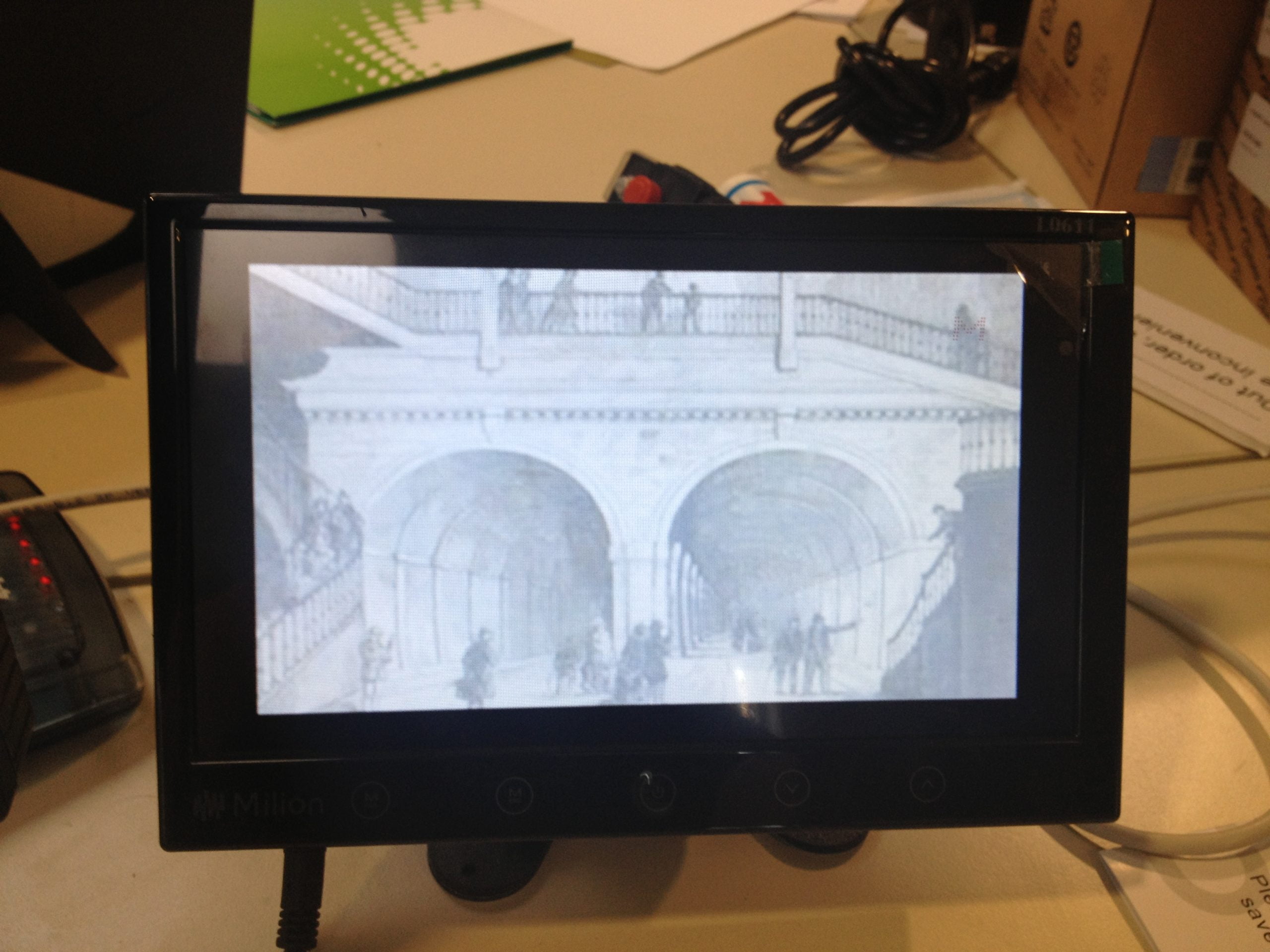
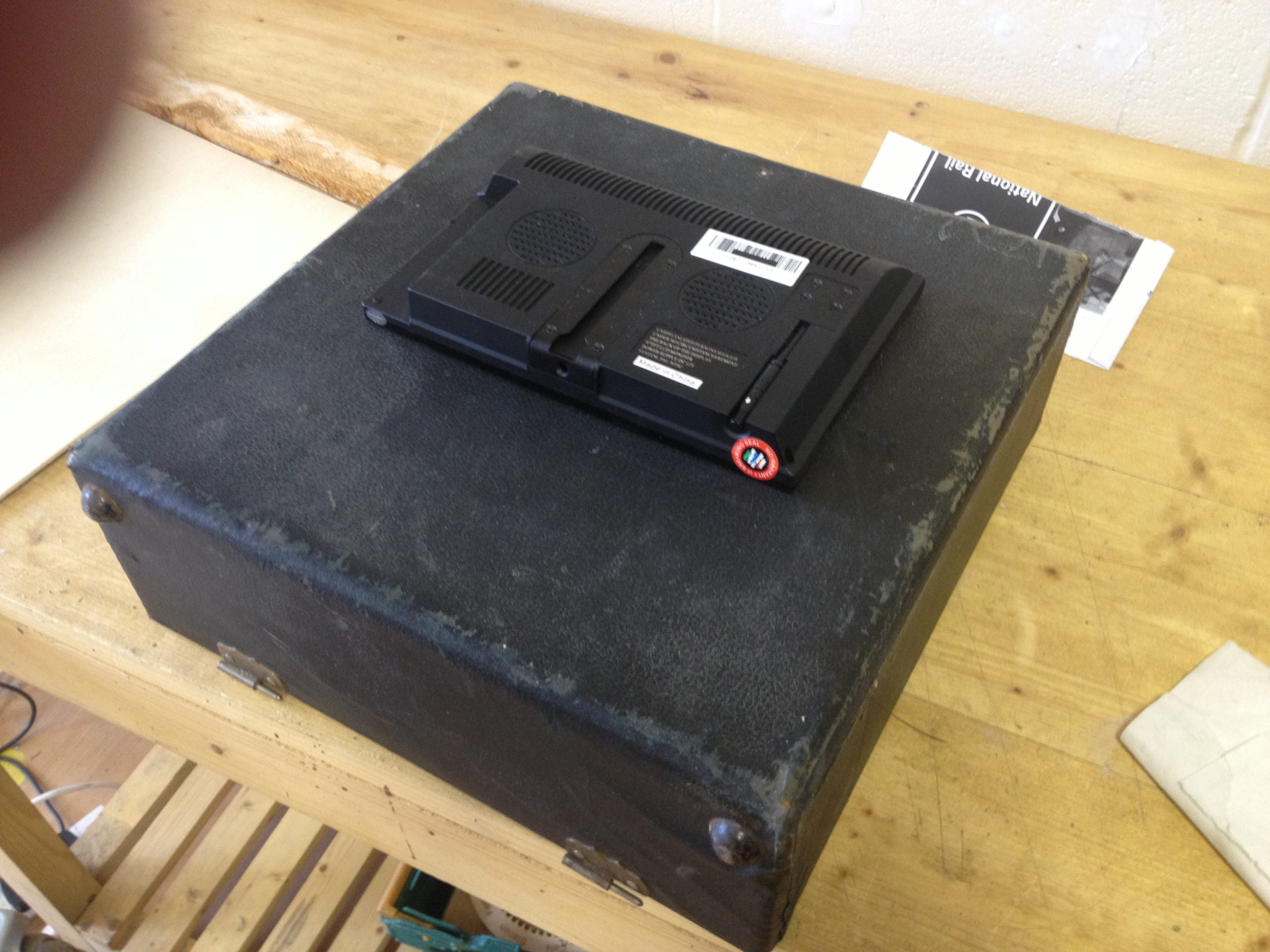
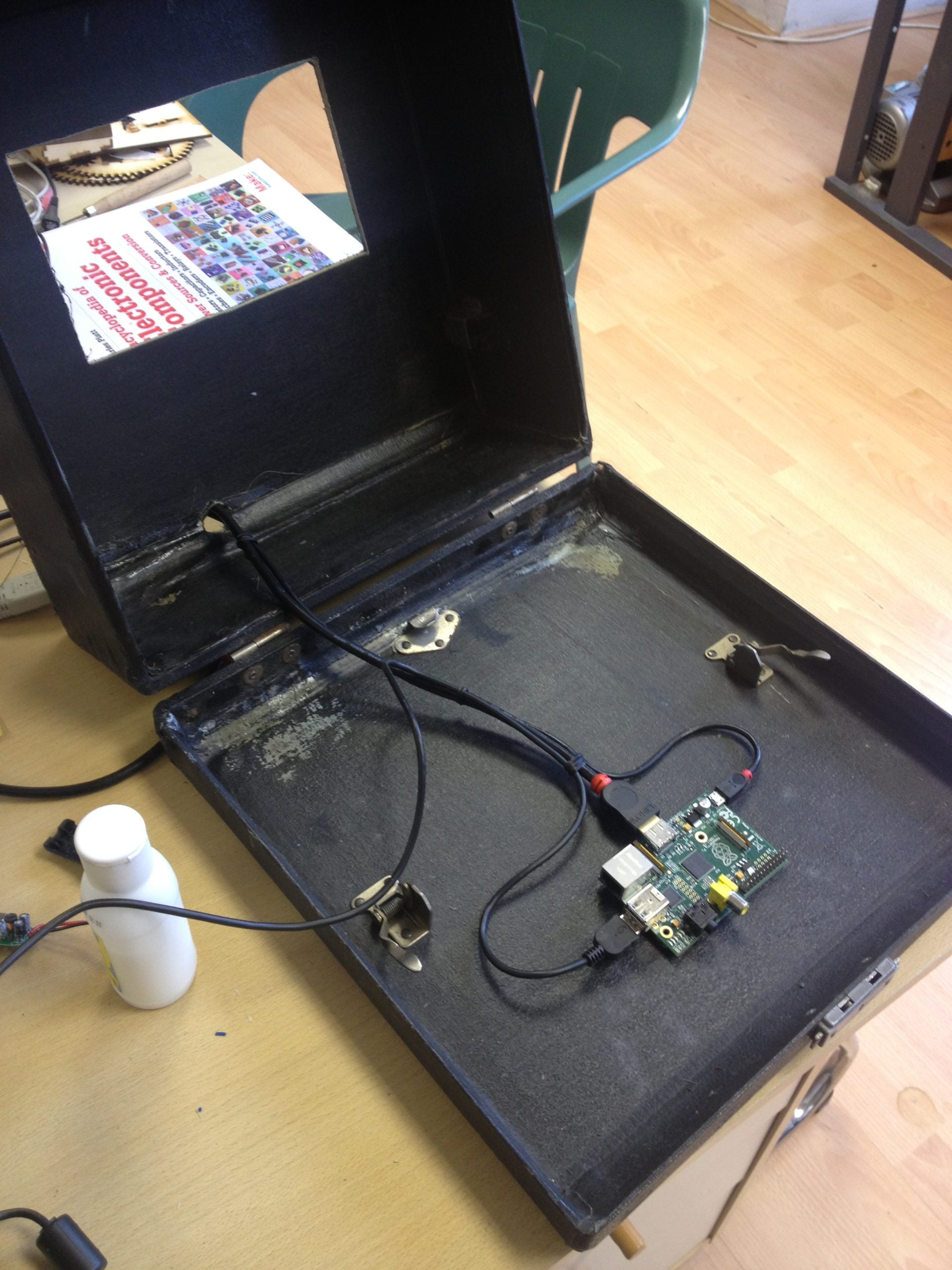
Before the reappearance, work needed to be carried out on the installation, this included the addition of a Raspberry Pi and a local screen mounted in the original case lid of the Remington Rand De Luxe model 4 typewriter, removing the need for an external computer and screen to be used with the tweeting typewriter.
A 12 VDC to USB adapter for use in a vehicle was re-purpused to provide a 5 VDC supply for the Raspberry Pi, meaning the entrire device could be powered with a single 12 VDC supply
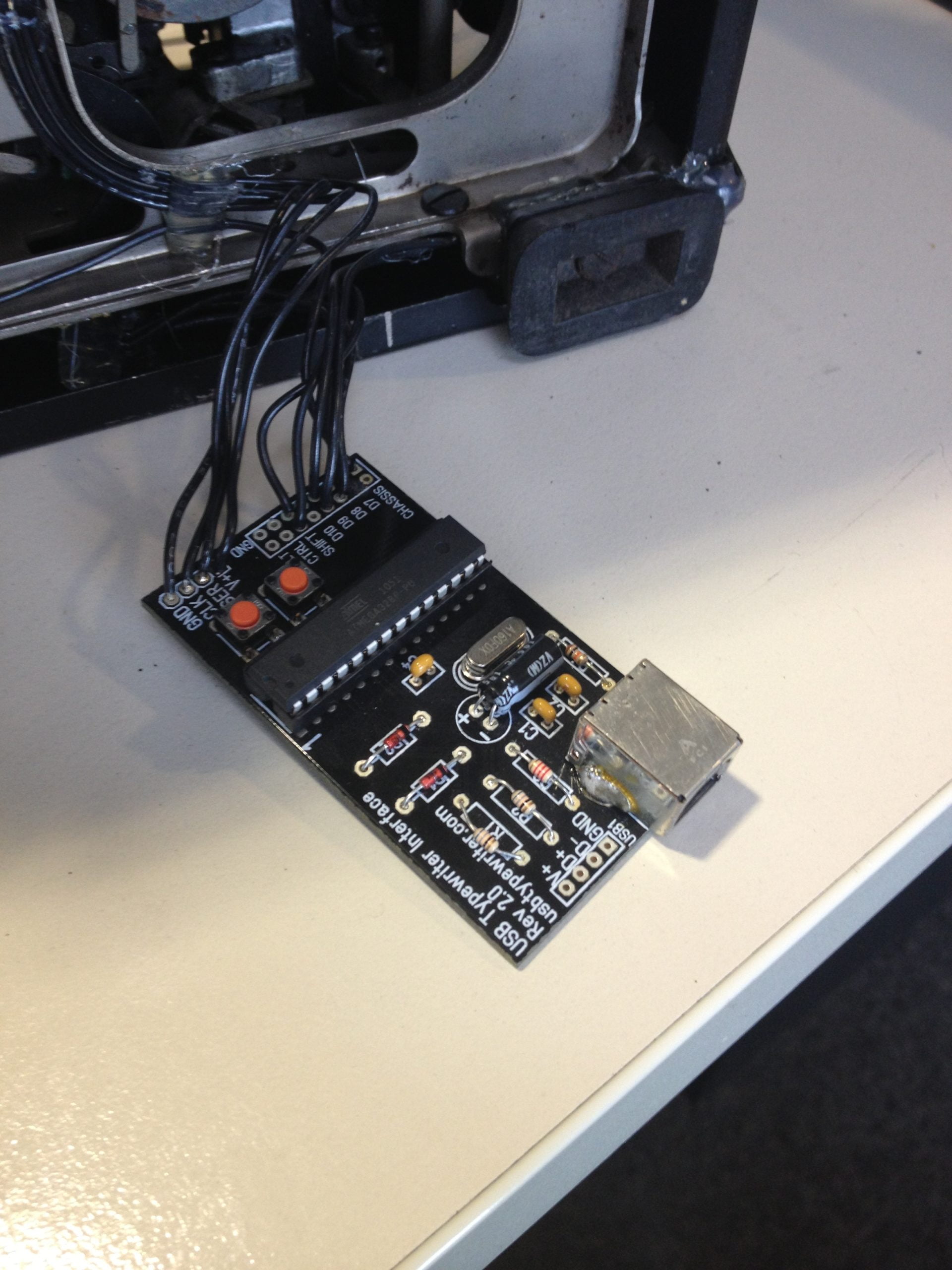
The typewriter is fitted with a USB Typewriter Conversion Kit that allows the keypresses on the typewriter to be mapped to the keyboard scan codes sent via a usb cable to the Raspberry Pi.
A custom PHP application was written to accept the Tweets, and then forward them to Twitter when the carriage return lever was used. This was displayed in a full-screen web browser running in Kiosk mode. The PHP application ran on the Raspberry Pi attached to the Typewriter and with the use of a USB WiFi card, this allowed for a completely self-contained exhibit.
My contribution
Before the update, the typewriter already worked as a USB keyboard and was used with an external computer. I suggested replacing that arrangement with a Raspberry Pi and local screen to make the exhibit self-contained, drawing on the Raspberry Pi work we had done for The Art of Pop Video.
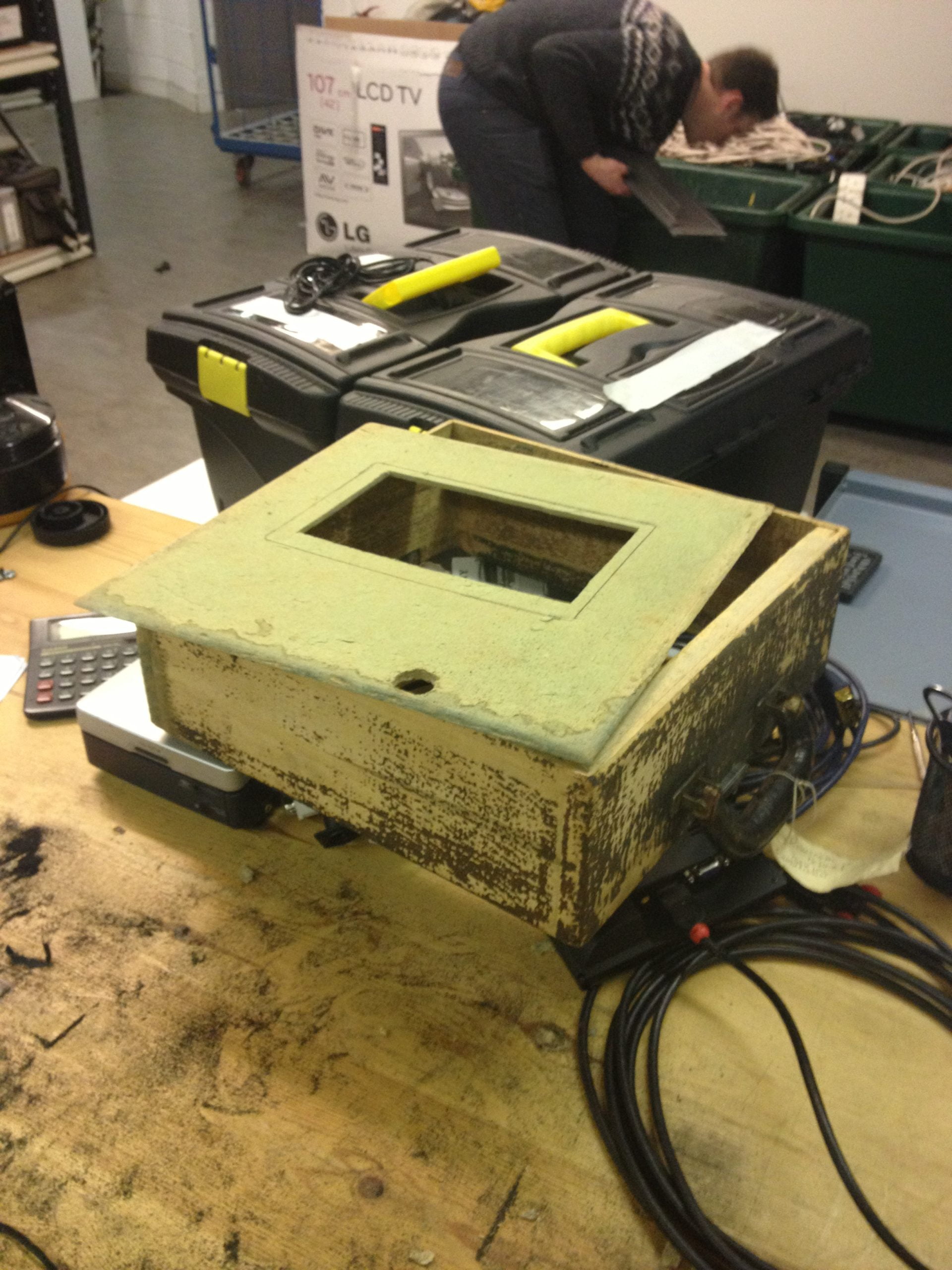
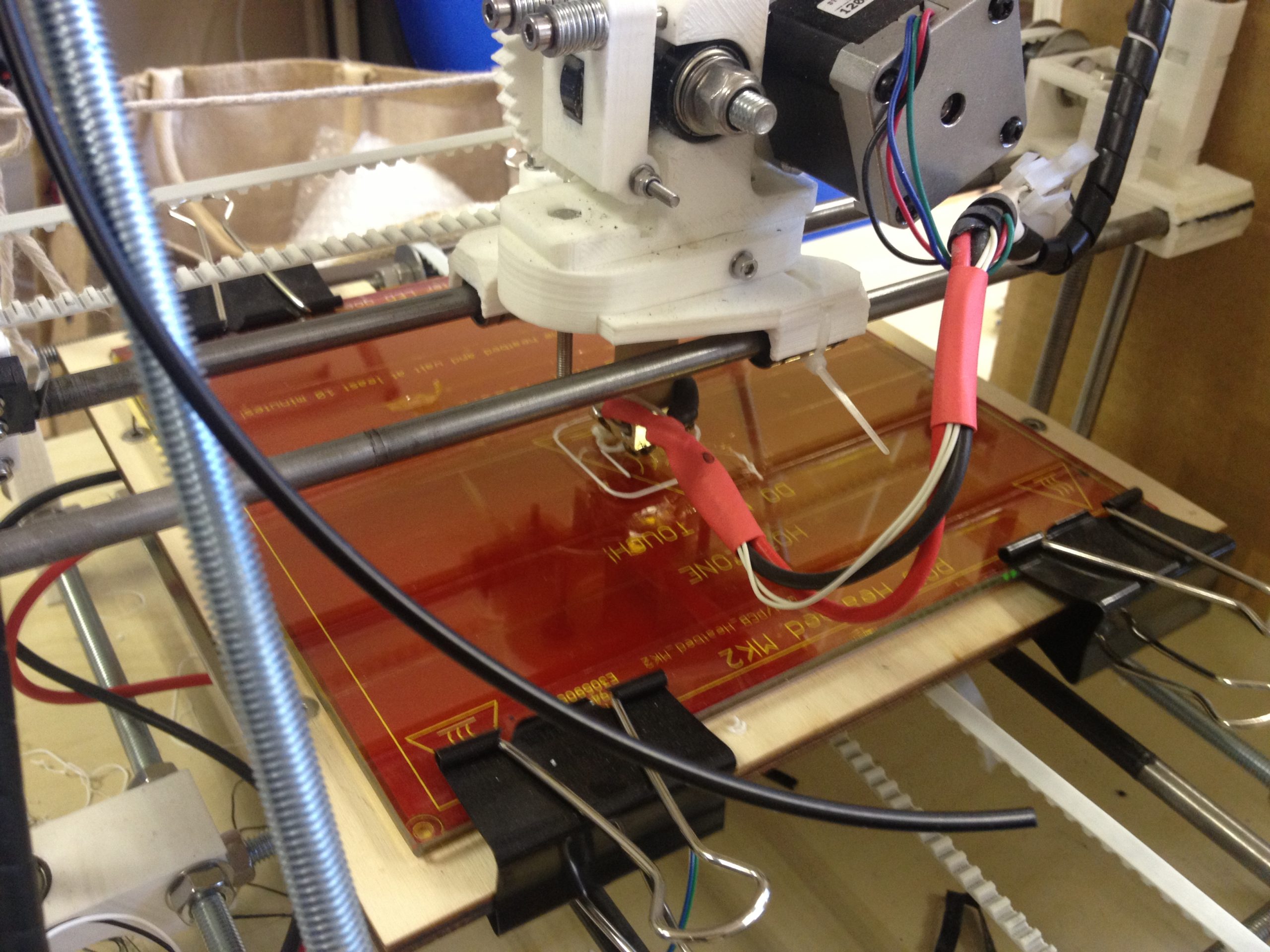
Chris Nolan wrote the PHP application that captured typed messages and sent them to Twitter. I rebuilt the typewriter case, soldered and wired the hardware, and designed screen standoffs using an online CAD tool. At DoES Liverpool, I operated the 3D printer to make the standoffs and other small brackets.
Chris and I tested the integrated system together at our desk. The gallery installation then allowed visitors to type messages on the typewriter and see them posted to Twitter.